Biohazard Cleanup for Apartments and Houses
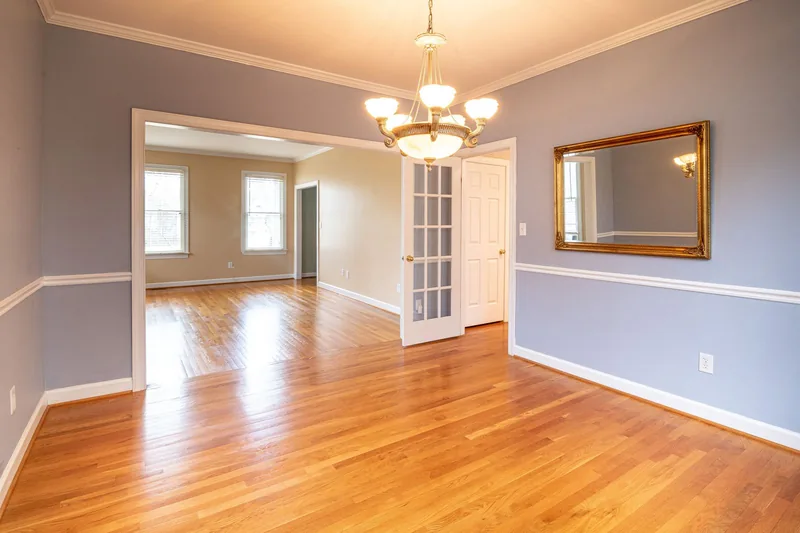
For death, blood, crime or hoarding, cleaning is available in apartments, high-rise units, houses and condos, along with sewage cleanup.
Learn moreWhen a death, a crime, hoarding or a sewage backup leaves a biohazard behind in Shackle Island, a cleanup specialist can explain the next steps.
Local housing, population and access details can shape containment, access and cleanup planning.
The 7.0% renter share suggests many residents can make direct decisions about removing contaminated flooring, walls, or personal items.
The median home in Shackle Island was built in 1991, but drywall, engineered flooring, and insulation can still absorb contamination.
Even at 11.5%, seniors living alone can benefit from regular contact that shortens the time before an emergency is noticed.
With 99.7% single-family housing, crews may need to inspect basements, crawl spaces, garages, and other areas unique to detached homes.
Biohazard cleanup safely removes and disinfects blood, tissue, bodily fluids and hazardous materials, then disposes of them following crime, death, accidents, hoarding or a sewage backup.
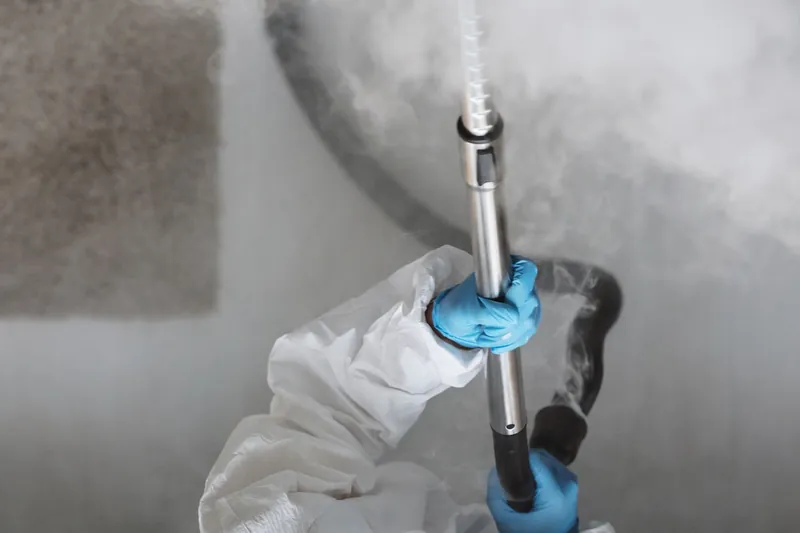
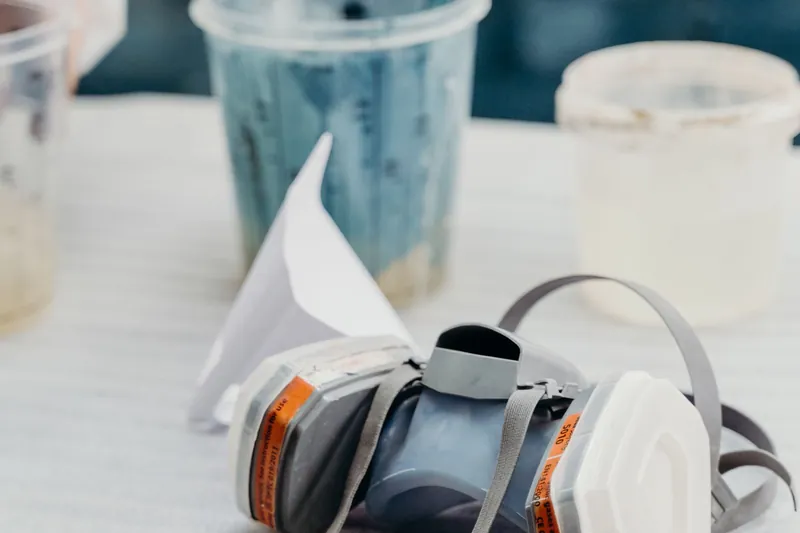
It is also called bio hazard cleaning, biohazard remediation, trauma cleanup or bio cleanup. Professional biohazard cleanup is more involved than deep cleaning. Technicians use personal protective equipment, locate every contaminated place, remove porous material that disinfection cannot save and treat affected areas until each reaches a livable condition.
After traumatic events in Shackle Island, crime scene cleaning and other specialized cleaning can begin as soon as the property is released. Biohazard removal services across the surrounding areas include scene cleaning, hazardous waste disposal and fentanyl cleanup, with emergency response at any hour. Crime scene cleaners aim to restore safety while giving families respectful, compassionate service.
Before removal begins, you learn the cleanup plan, every step and the factors that shape the price. You face neither pressure nor surprises.
Day or night, emergency service calls are answered. Crews use unmarked vehicles to protect your privacy from neighbors and property staff.
Hoarding and neglect are met without judgment, with respect for you and your loved ones through a difficult time. Documents, keepsakes and photographs are saved for you.
Documentation for your insurance company, landlord or state victim program includes photographs, scope details and waste records.
For death, blood, crime or hoarding, cleaning is available in apartments, high-rise units, houses and condos, along with sewage cleanup.
Learn more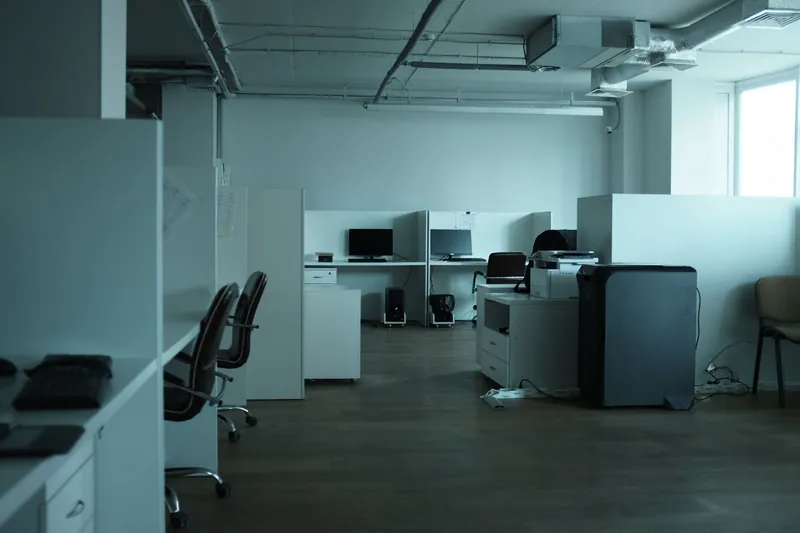
Commercial biohazard cleanup for commercial properties, after injuries, industrial accidents, break-ins or exposures, scheduled around your hours.
Learn more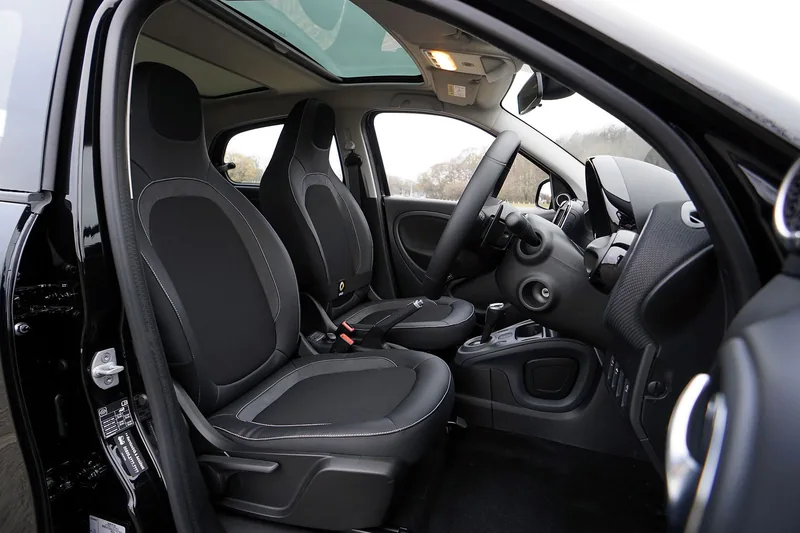
Vehicle biohazard cleanup for blood, bodily fluids and odor in seats, carpet and vents.
Learn more
Cleanup prepares units to be rented again, with records for owners and insurers.
Learn moreFind the cleanup page suited to your circumstances. Call if you are uncertain about which cleanup service fits.
Few people encounter this more than once. Following the right opening steps helps protect your health while preserving your claim and cleanup cost.
Call (888) 440-9227The biohazard cleanup process follows the same safe order for every job, from the first call to the final inspection.
Explain the situation. Technicians inspect the scene, photograph it and agree the scope with you.
The affected area is sealed off with plastic sheeting so contamination does not spread to other rooms.
To keep affected material from being left behind, technicians cut out carpet, pad, drywall and other porous items that absorbed infectious materials, then seal them as medical waste.
Every surface is cleaned and treated with EPA-registered, hospital-grade disinfectant.
Air scrubbers, ozone or hydroxyl address odor where it begins, while vents receive inspection.
Tracking paperwork follows sealed waste to a permitted facility where medical waste is treated.
A final check, with ATP testing when necessary, confirms a livable condition. You then receive records and photographs for the claim.
Your own contractor or a vendor working with your insurer can replace any removed drywall or flooring.
Most jobs involving residential biohazard cleanup fall in the published range of $1,800 to $8,000. A small blood cleanup may fall below $1,000, while extensive sewage, decomposition or hoarding work may exceed $20,000. An on-site assessment determines the actual price.
Yes, often. Many renters and homeowners policies cover biohazard cleanup after a sudden crime, death or sewage backup, with the deductible remaining your responsibility.
Payment for death cleanup can often come out of the estate. This is generally managed by the executor or a family member.
Victims of violent crime can ask the Tennessee Treasury Department's Criminal Injuries Compensation Program about crime scene cleanup, which it can help with when the crime happened in a victim's home. Insurance is usually checked first.
Insurance generally covers events that are both sudden and accidental. Insurance commonly excludes neglect over time and hoarding. Contact your insurer ahead of any cleanup.
The property manager or owner commonly coordinates and funds cleanup for a rented unit or common area.
You can call anytime. You can ask a cleanup specialist what happens next at your property.
Some remain viable for quite a while. The CDC reports that hepatitis B remains viable on surfaces for at least seven days; dried blood should therefore be handled as infectious.
On-site work lasts one to three days for most cleanups. Severe scenes, decomposition or hoarding cleanouts may require several days to two weeks.
Published cost guides place the range for most home cleanup jobs from $1,800 to $8,000. Small blood cleanups can be under $1,000, and large decomposition or hoarding jobs can pass $20,000.
Illness caused by sewage germs often begins in one to three days, though certain infections develop later. Do not make contact, and keep pets and children out.
Blood, tissue, bodily fluids, raw sewage, used needles, and human or animal waste are examples of biological matter that can cause disease.
Someone answers your call 24 hours a day, on weekends and holidays too.